Every time you reach into your wallet or tap your phone at a checkout counter, you make a financial choice: Credit or Debit?
While both plastic cards look identical and pull off the same instant transaction convenience, they operate under completely different financial mechanics. One spent money you already have in your bank account, while the other uses the bank’s money as a temporary short-term loan.
Choosing which card to use daily impacts your fraud protection, credit score, monthly budget, and overall financial security. Here is a clear breakdown of how both cards stack up, along with a definitive guide on which card to swipe for everyday spending.
The Core Difference: Whose Money Are You Spending?
To pick the right card, you need to look at what happens behind the scenes during a swipe:
-
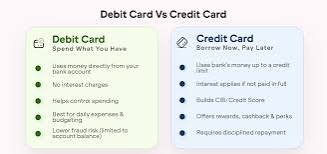
Debit Cards: Linked directly to your checking account. When you make a purchase, money is instantly deducted from your bank balance. If you don’t have enough money, the transaction is either declined or triggers an overdraft fee.
-
Credit Cards: Linked to a revolving line of credit offered by a bank. The card issuer pays the merchant, and you agree to pay the bank back when your monthly statement arrives.
1. Fraud Protection and Safety (The Biggest Factor)
When it comes to daily purchases—especially online, at gas pumps, or in fast-food lines—credit cards offer far superior security.
The Credit Advantage
Under federal protection guidelines (like the Truth in Lending Act in the US), your liability for fraudulent credit card charges is capped at $50, and most major issuers offer $0 fraud liability. More importantly, if a thief steals your credit card number, they steal the bank’s money. While the bank investigates the fraud, your actual checking account money remains completely safe and untouched.
The Debit Risk
If your debit card is compromised, the scammer drains your actual cash directly from your checking account. Even though banks offer fraud protection for debit cards, recovering stolen funds can take days or weeks. In the meantime, pending rent checks might bounce, bills might fail, and your liquid money is tied up during the investigation.
Key Takeaway: For online shopping, gas station pumps, and travel bookings where card-skimming risk is high, a credit card is significantly safer.
2. Rewards and Perks
If you want your everyday spending to work for you, credit cards easily take the crown.
-
Credit Cards: Offer robust rewards programs, including 1% to 5% cash back, travel points, welcome bonuses, purchase protection, extended warranties, and rental car insurance.
-
Debit Cards: Rarely offer rewards or cash-back incentives because banks earn much lower merchant transaction fees on debit purchases.
If you spend $1,500 a month on regular expenses (groceries, gas, utilities), paying with a 2% cash-back credit card puts $360 back in your pocket each year for money you were going to spend anyway.
3. Credit Score Building
A strong credit history is essential for qualifying for home mortgages, car loans, rental applications, and low interest rates.
-
Credit Cards: Report your payment activity to the three major credit bureaus (Equifax, Experian, and TransUnion) every single month. Paying your credit bill on time lowers your utilization and steadily boosts your credit score.
-
Debit Cards: Do not report to credit bureaus. Paying with a debit card for 10 years will do zero work toward building or improving your credit history.
4. Budget Discipline and Overspending
This is the main area where debit cards shine.
If you struggle with impulse buying or managing debt, credit cards can quickly become a trap. Carrying a balance month-to-month incurs steep interest charges (often 20% to 30% APR), which easily wipes out any cash-back rewards you earned.
A debit card enforces hard budget boundaries: you cannot spend money you do not have.
The Verdict: Which One Should You Use Daily?
| Spending Scenario | Best Choice | Why? |
| Gas Stations & Online Shopping | Credit Card | High risk of card skimming; credit cards protect actual bank cash. |
| Groceries, Dining & Bills | Credit Card | Maximize rewards, cash back, and positive payment history. |
| Hotels & Rental Cars | Credit Card | Avoid large security hold holds on your checking account cash. |
| ATM Cash Withdrawals | Debit Card | Credit card cash advances incur instant high interest and fees. |
| Strict Personal Budgeting | Debit Card | Prevents debt accumulation if credit management is a struggle. |
The Winning Strategy: The “Debit-Mindset” Credit Card Routine
For the ultimate balance of safety, rewards, and financial health, the best approach is to use a credit card daily like a debit card. Treat your credit card limit like your cash balance—only purchase what you can pay off immediately, and pay the entire credit card balance in full every single month. This gets you maximum security and free rewards without ever paying a dime in interest.