Credit card fraud is increasing as more people shop online, use mobile payments, and store card details digitally. While credit cards are convenient, they also become a target for scammers if not used carefully.
The good news is that most fraud is preventable if you follow the right safety practices.
In this guide, we’ll explain the most important credit card safety tips in 2026 to protect yourself from fraud, scams, and unauthorized transactions.
1. Never Share Your Credit Card Details
One of the most common mistakes is sharing card information with unsafe sources.
Never share:
- Card number
- CVV code
- Expiry date
- OTP or verification codes
Why it matters:
Scammers only need a few details to make unauthorized purchases.
2. Use Secure Websites Only
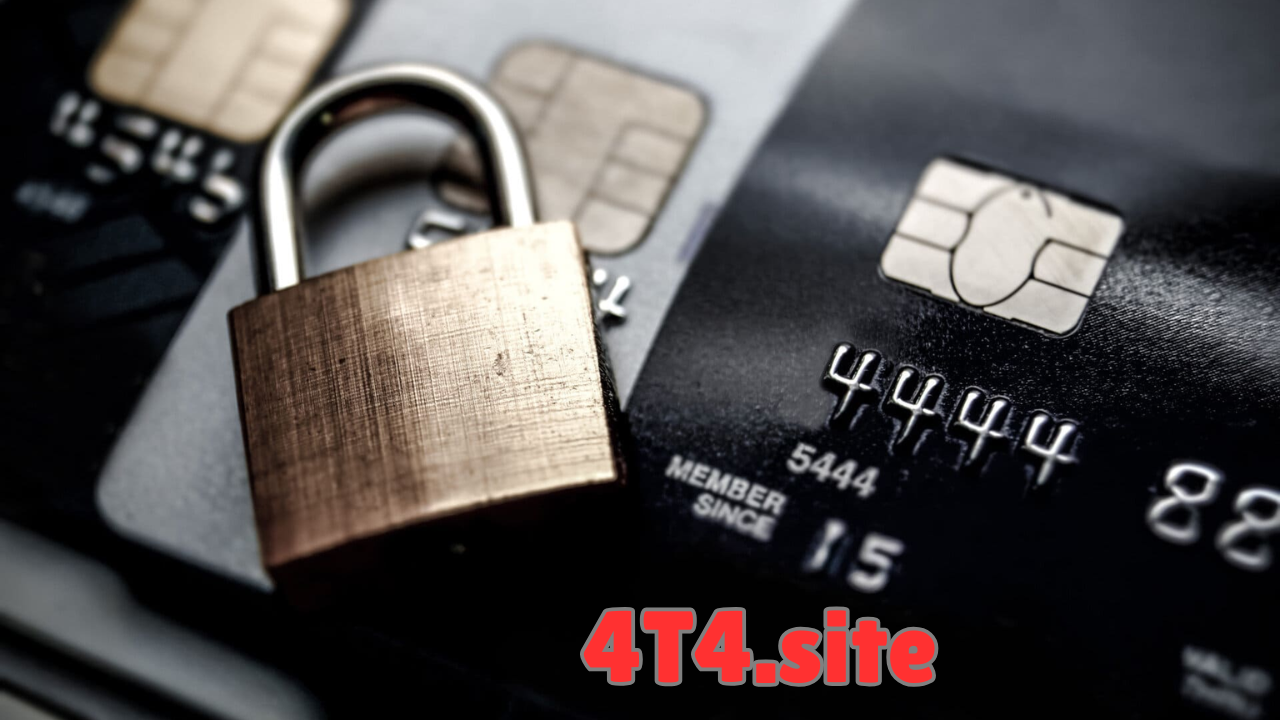
Always check if a website is safe before entering your card details.
Look for:
- HTTPS in the URL
- Padlock icon in the browser
- Trusted brand reputation
Avoid:
- Suspicious or unknown websites
- Fake shopping pages
- Too-good-to-be-true offers
3. Enable Transaction Alerts
Most banks provide SMS or app notifications for every transaction.
Benefits:
- Instant fraud detection
- Real-time spending updates
- Quick action on unauthorized activity
4. Use Virtual Cards for Online Shopping
Virtual cards generate temporary card numbers for online purchases.
Advantages:
- Real card details stay hidden
- Safer for unknown websites
- Reduced fraud risk
5. Monitor Your Statements Regularly
Many fraud cases go unnoticed because users don’t check their statements.
What to check:
- Unknown transactions
- Small unauthorized charges
- Duplicate payments
Even small suspicious activity should be reported.
6. Avoid Public Wi-Fi for Payments
Public Wi-Fi networks are often not secure.
Risks:
- Data interception
- Password theft
- Card information exposure
Safe practice:
Use mobile data or secure private Wi-Fi for payments.
7. Keep Your Card Information Private
Physical and digital security both matter.
Tips:
- Don’t share card details with anyone
- Avoid saving CVV in insecure apps
- Don’t use shared devices for payments
8. Strengthen Banking App Security
Most banking apps offer advanced protection.
Enable:
- Biometric login (fingerprint/face ID)
- Two-factor authentication
- App lock
9. Be Aware of Phishing Scams
Phishing is when scammers pretend to be banks or companies.
Warning signs:
- Fake emails or SMS messages
- Urgent warnings like “account blocked”
- Suspicious links asking for card details
Rule:
Never share card information through links or messages.
10. Set Spending Limits
Many banks allow you to control how much you can spend.
Benefits:
- Prevents overspending
- Limits fraud damage
- Improves control over finances
11. Lock Your Card When Not in Use
Some banks let you temporarily block your card.
When to use:
- After online shopping
- During suspicious activity
- While traveling
12. Report Lost or Stolen Cards Immediately
If your card is lost:
Do this immediately:
- Block the card via app or bank
- Call customer support
- Request a replacement
Quick action reduces fraud risk.
Credit Card Safety Checklist
| Safety Step | Importance |
|---|---|
| Never share OTP/CVV | Critical |
| Use secure websites | High |
| Enable alerts | High |
| Monitor statements | High |
| Avoid public Wi-Fi | Medium |
| Use virtual cards | High |
| Lock card when unused | Medium |
Common Credit Card Fraud Types
1. Online Shopping Fraud
Fake websites stealing card details.
2. Card Skimming
Devices copying card data at ATMs or machines.
3. Phishing Scams
Fake messages tricking users into sharing details.
4. Identity Theft
Personal data used for unauthorized accounts.
Final Thoughts
Credit card fraud can happen to anyone, but most cases are preventable with smart habits.
The key rules are:
- Never share sensitive card details
- Use secure websites and apps
- Monitor transactions regularly
- Enable security alerts and protections
By following these credit card safety tips, you can safely enjoy online shopping and digital payments without unnecessary risk.
FAQs
What is the safest way to use a credit card online?
Use secure websites, enable alerts, and avoid sharing card details.
Can credit card fraud be reversed?
Yes, most banks refund fraudulent transactions if reported quickly.
Is it safe to save credit card details online?
Only on trusted and secure platforms.
What should I do if my card is stolen?
Immediately block it and contact your bank.
How can I avoid phishing scams?
Never click suspicious links asking for personal or card information.