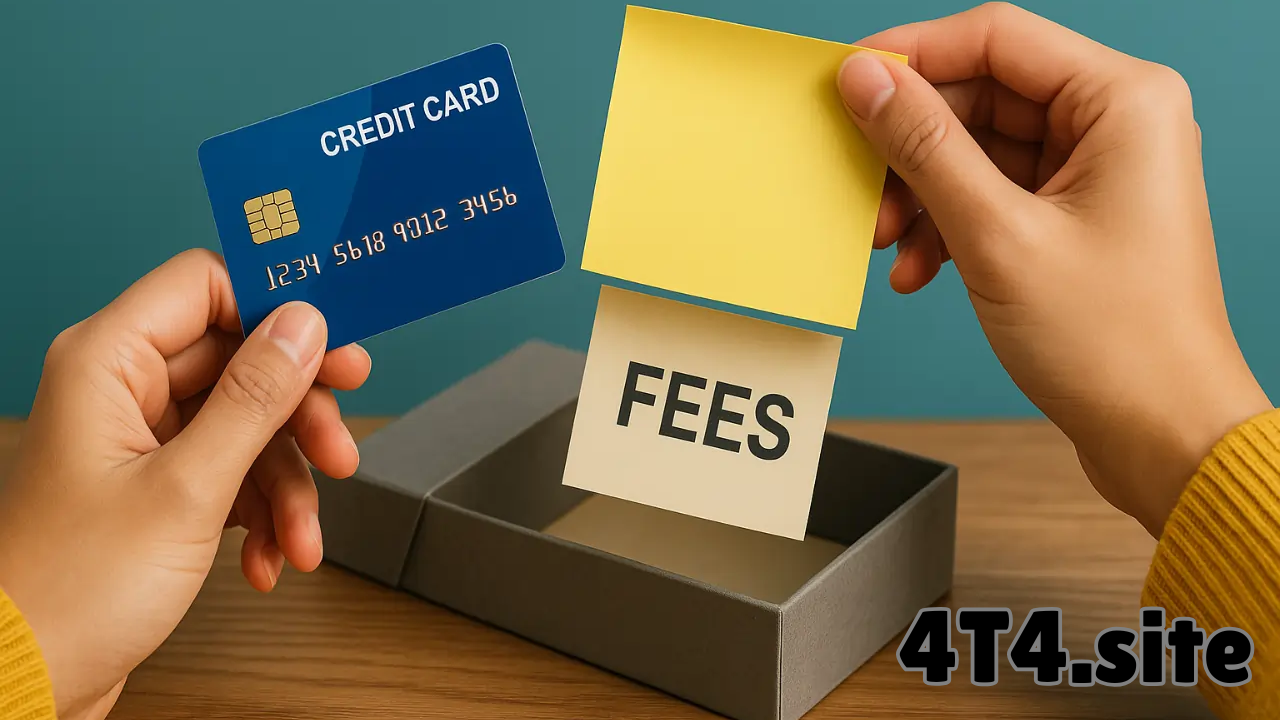
Credit cards are often marketed as convenient, rewarding, and easy to use. But behind the benefits, there are hidden fees that can quietly cost you a lot of money if you’re not careful.
These charges are not always obvious when you apply for a card, but they can significantly increase your overall spending and debt.
In this guide, we’ll break down the most important hidden credit card fees in 2026 and how to avoid them.
Why Hidden Credit Card Fees Matter
Hidden fees can:
- Increase your debt without warning
- Reduce the value of rewards
- Damage your credit score
- Trap you in long-term interest cycles
Understanding them helps you make smarter financial decisions.
1. Interest Charges (APR)
Interest is one of the biggest hidden costs of credit cards.
If you don’t pay your full balance every month, interest is charged on the remaining amount.
How it works:
- You spend $1,000
- You pay only $500
- Interest applies on the remaining $500
Why it matters:
- APR is often 18%–30%
- Debt grows quickly over time
- Rewards become worthless compared to interest
2. Late Payment Fees
Missing your payment due date can trigger a late fee.
Effects:
- Fixed penalty charge
- Possible credit score drop
- Higher interest rate risk
Even one missed payment can affect your credit history for years.
3. Penalty APR (Higher Interest Rate)
Some cards increase your interest rate if you miss payments.
What happens:
- Your APR increases sharply
- It may stay high for months
- Debt becomes harder to repay
This is one of the most expensive credit card penalties.
4. Cash Advance Fees
Withdrawing cash using your credit card is very costly.
Costs include:
- Cash advance fee (3%–5%)
- Immediate interest (no grace period)
- ATM fees
Cash advances are treated like high-interest loans.
5. Foreign Transaction Fees
Using your card outside your home country can cost extra.
Typical fee:
- 1% to 3% per transaction
Example:
- Spend $1,000 abroad → $10–$30 extra fees
Many travel cards remove this fee, but standard cards still charge it.
6. Annual Fees
Some credit cards charge a yearly fee just to keep the account active.
Common range:
- $0 (no-fee cards)
- $95–$250 (mid-tier cards)
- $500+ (premium cards)
If rewards don’t exceed the fee, you lose money overall.
7. Balance Transfer Fees
Even cards offering 0% APR balance transfers usually charge a fee.
Typical fee:
- 3% to 5% of transferred balance
Example:
- Transfer $5,000 → $150–$250 fee
This cost is often ignored by beginners.
8. Over-Limit Fees (Less Common Today)
Some older cards may charge fees if you exceed your credit limit.
Risks:
- Extra charges
- Possible credit score damage
- Account restrictions
Most modern cards require opt-in, but it still exists in some cases.
9. Returned Payment Fees
If your payment fails due to insufficient funds:
You may face:
- Returned payment fee
- Late fee on top
- Credit score impact
This creates a double penalty situation.
10. Rewards Restrictions and Expiration
Credit card rewards are not always permanent.
Common issues:
- Points expiration
- Minimum redemption limits
- Limited redemption options
If unused, rewards may lose value or disappear.
Hidden Fee Summary Table
| Fee Type | Why It Happens | Impact |
|---|---|---|
| Interest (APR) | Carrying balance | Very High |
| Late Fee | Missed payment | High |
| Penalty APR | Payment default | Very High |
| Cash Advance Fee | ATM withdrawal | Very High |
| Foreign Fee | International use | Medium |
| Annual Fee | Card ownership | Medium |
| Balance Transfer Fee | Debt transfer | Medium |
| Returned Payment Fee | Failed payment | Medium |
How to Avoid Hidden Credit Card Fees
1. Pay Full Balance Every Month
Avoid interest completely.
2. Set Auto-Pay
Prevent late payments.
3. Avoid Cash Advances
Use debit or savings instead.
4. Choose No-Fee Cards
Best for beginners and low spenders.
5. Use the Right Card Abroad
Avoid foreign transaction fees.
Smart Credit Card Habits
- Track spending weekly
- Keep utilization below 30%
- Read card terms carefully
- Avoid unnecessary debt
- Pay before due dates
Good habits reduce almost all hidden costs.
Final Thoughts
Credit cards are powerful tools, but hidden fees can make them expensive if ignored.
The most important costs to watch are:
- Interest charges
- Late payment fees
- Cash advance fees
- Foreign transaction fees
By understanding these charges and using credit responsibly, you can enjoy the benefits of credit cards while avoiding financial traps.
FAQs
What is the biggest hidden credit card fee?
Interest (APR) is usually the most expensive hidden cost.
Are credit card rewards really free?
No, they are funded through merchant fees and interest from users.
How can I avoid credit card fees?
Pay your balance in full and choose no-annual-fee cards.
Why are cash advances so expensive?
They charge high fees and start interest immediately.
Do all credit cards have hidden fees?
Most cards have some form of fees, but they vary by card type.