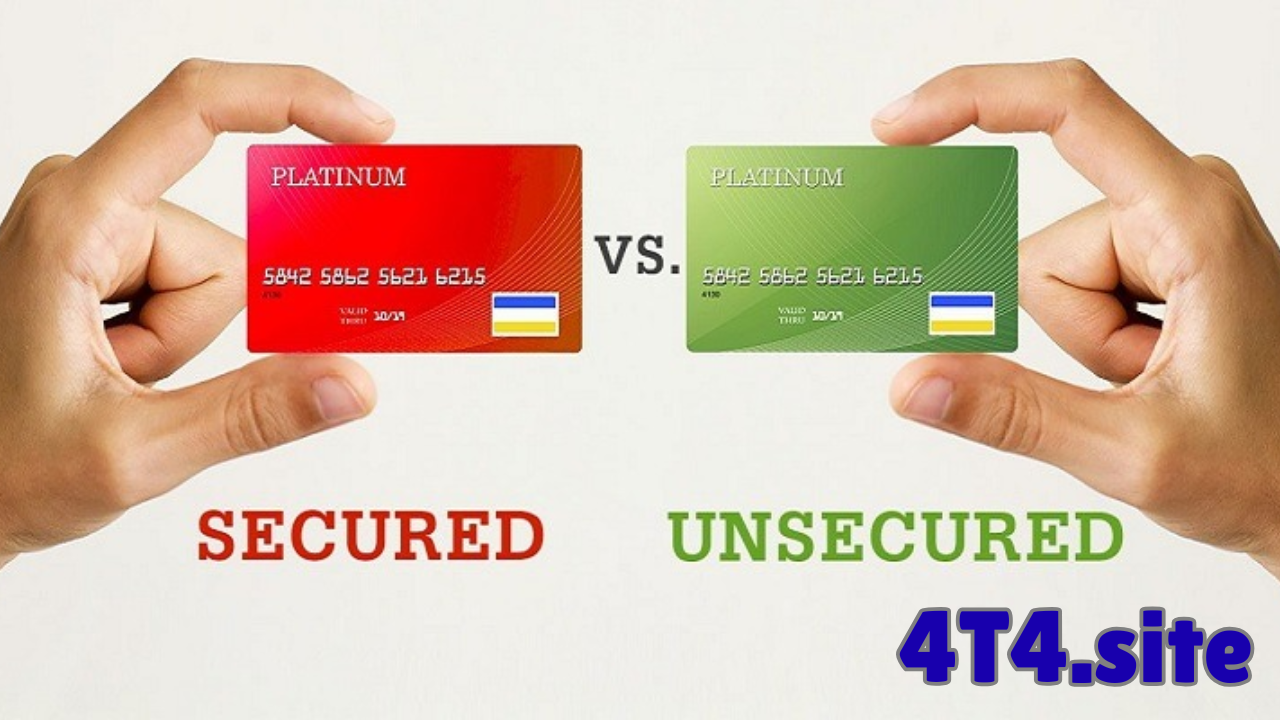
If you’re starting your credit journey or rebuilding your credit score, you’ve probably seen two main types of credit cards:
- Secured credit cards
- Unsecured credit cards
At first glance, they may look similar—they both let you borrow money, make purchases, and build credit history. But the way they work is very different.
Choosing the wrong type can slow down your credit growth, while choosing the right one can help you build a strong credit profile faster.
In this guide, we’ll clearly explain the difference between secured and unsecured credit cards in 2026, along with their pros, cons, and which one is right for you.
What Is a Secured Credit Card?
A secured credit card is backed by a cash deposit that you provide upfront.
How it works:
- You deposit money (e.g., $200–$1,000)
- That deposit becomes your credit limit
- You use the card like a normal credit card
- Payments are reported to credit bureaus
Example:
- Deposit: $300
- Credit limit: $300
- Spend: $100 → Pay later like a regular card
If you fail to pay your bill, the bank can use your deposit as protection.
Key Features of Secured Cards
- Requires refundable deposit
- Lower approval requirements
- Reports to credit bureaus
- Designed for beginners or bad credit users
Pros of Secured Credit Cards
- Easy approval even with no credit history
- Helps build or rebuild credit score
- Controlled spending (low limits)
- Can upgrade to unsecured card later
Cons of Secured Credit Cards
- Requires upfront deposit
- Lower credit limits
- Fewer rewards and benefits
- Not as flexible as unsecured cards
What Is an Unsecured Credit Card?
An unsecured credit card does NOT require any deposit.
Instead, the bank approves you based on:
- Credit score
- Income
- Credit history
- Financial behavior
How it works:
- Bank gives you a credit limit
- You spend within that limit
- You repay monthly bills
- No deposit is required
Key Features of Unsecured Cards
- No upfront deposit
- Higher credit limits (based on profile)
- More rewards and perks
- Standard credit card type
Pros of Unsecured Credit Cards
- No locked deposit required
- Better rewards (cashback, travel points)
- Higher spending flexibility
- Better long-term financial benefits
Cons of Unsecured Credit Cards
- Harder approval for beginners
- Requires good credit score
- Higher risk of overspending
- Can lead to debt if misused
Secured vs Unsecured Credit Cards Comparison Table
| Feature | Secured Credit Card | Unsecured Credit Card |
|---|---|---|
| Deposit Required | Yes | No |
| Approval Difficulty | Easy | Moderate to Hard |
| Credit Limit | Equal to deposit | Based on credit profile |
| Best For | Beginners / bad credit | Good credit users |
| Rewards | Limited | Strong (cashback/travel) |
| Credit Building | Yes | Yes |
| Risk Level | Low | Medium to High |
Which One Helps Build Credit Faster?
Both secured and unsecured cards can build credit at the same speed if used properly.
What matters most is:
- Paying on time
- Keeping balances low
- Avoiding missed payments
However:
- Secured cards are easier to get started with
- Unsecured cards offer better long-term benefits
When Should You Choose a Secured Credit Card?
A secured card is best if you:
- Have no credit history
- Have a low credit score
- Were recently rejected for credit cards
- Want a controlled way to learn credit usage
It is often the first step in building a credit profile.
When Should You Choose an Unsecured Credit Card?
An unsecured card is better if you:
- Have a fair or good credit score
- Already have credit history
- Want cashback or rewards
- Need higher credit limits
This is the standard type of credit card used long-term.
Can You Upgrade from Secured to Unsecured?
Yes, many banks allow you to:
- Upgrade after 6–12 months of good behavior
- Get your deposit refunded
- Keep your credit history intact
This process is called a credit line upgrade or product conversion.
Common Mistakes to Avoid
1. Maxing out your card
High utilization can damage your credit score.
2. Missing payments
Even one late payment can hurt your credit history.
3. Thinking secured cards are bad
Secured cards are actually powerful tools for beginners.
4. Applying too early for unsecured cards
Without credit history, rejection can slow progress.
Real-Life Example
Person A (Secured Card User)
- Starts with $300 deposit
- Uses 20–30% monthly
- Pays on time
- After 8 months → credit score improves
Person B (Unsecured Card User)
- Gets $1,000 limit
- Uses responsibly
- Builds credit + earns rewards
Both improve credit—but the unsecured user has more financial flexibility.
Final Thoughts
The main difference between secured and unsecured credit cards is simple:
- Secured cards require a deposit and are easier to get
- Unsecured cards require good credit but offer better rewards
If you are starting from zero or rebuilding credit, a secured card is a safe entry point. Once your credit improves, moving to an unsecured card gives you better rewards and flexibility.
The smartest strategy is:
Start secured → build credit → upgrade to unsecured → maximize benefits
FAQs
Which is better: secured or unsecured credit card?
It depends on your credit situation. Secured is better for beginners, unsecured is better for established users.
Do secured credit cards build credit?
Yes, they report to credit bureaus just like unsecured cards.
Can I get my deposit back?
Yes, when you close the card or upgrade to an unsecured card.
Are unsecured cards harder to get?
Yes, they require a good credit score and stable income.
Which card has better rewards?
Unsecured credit cards usually offer better cashback and travel rewards.